
Overview
Conflict is a product of our uniqueness as people & so is inevitable - its absence would be abnormal. And the workplace provides a rich environment for various causes & types of conflict.
Some kinds of conflict contribute to the health & well-being of an organization by generating new perspectives - while other types are detrimental hijacking time, energy & trust.
Interpersonal conflict occurs when two or more persons seek to possess the same object, resource, or position – or they maintain incompatible goals, values, or motives. And interpersonal conflict can be caused by differences in information, perceptions, roles, priorities, or relationships.
There are a variety of direct costs to the organization associated with poorly managed conflict, including, in the worst cases, the loss of customers and good employees. One that is visible to everyone is the time taken to successfully resolve issues. Time that would be better spent on accomplishing work and achieving goals is instead used to manage disagreements, smooth ruffled feathers, and deal with difficult people.
Individuals & teams that effectively resolve conflicts:
- Expect there to be personal differences
- Confront the conflictual issues & not the people involved.
Why Should You Attend?
Many people have a standard, instinctive response to conflict. However, effective leaders & negotiators - after assessing the situation know-how & when to apply each of the following five conflict resolution strategies which will be addressed during this webinar:
- Waiting & Avoiding – ‘The Turtle’
- Accommodating – ‘The Teddy Bear’
- Using Power – ‘The Shark’
- Compromising – ‘The Fox’
- Collaborating – ‘The Owl’
Areas Covered:
Managing Conflicts Between Individuals
- What is interpersonal conflict?
- What causes conflict?
- Functional vs. dysfunctional conflict
- Words that lead to conflicts
- Resolving conflicts by asking questions
- Our four instinctive responses to conflicts
- Five Conflict Resolution Strategies
- Managing conflict with the AEIOU model
Managing Conflict Within Teams
- Why functional conflict management is a component of high-performance teams & organizations
- How to utilize the Action Planning Conflict Resolution Process by:
- Obtaining from the participants their proposals for resolving the issues causing the conflict
- Then allowing the participants to develop & implement an action plan to resolve the conflict
Ask your question directly from our expert during the Q&A session following the live event.
About the instructor
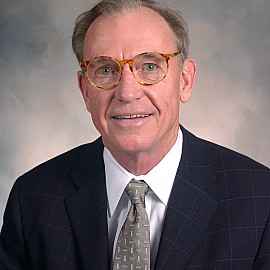
Pete Tosh
Pete Tosh is the Founder of The Focus Group, a management consulting and training firm that assists organizations in sustaining profitable growth through four core disciplines:
· Implementing Strategic HR Initiatives
· Maximizing Leadership Effectiveness
· Strategic Planning
· Enhancing Customer Loyalty
The Focus Group has provided these consulting and training services to manufacturing and service organizations across the U.S., Canada, Europe, and the Middle East. Pete has worked closely with the leadership teams of organizations such as Exxon, Brinks, EMC, State Farm, Marriott, N.C.I. YKK and Freddie Mac
Prior to founding his own firm 25 years ago, Pete had 15 years of experience — at the divisional and corporate levels — in Human Resource and Quality functions. Pete held leadership positions — to include the V.P. of Human Resources and Quality — with Allied Signal, Imperial Chemical Industries, Reynolds Metals, Charter Medical, and Access Integrated Networks.
Pete holds a B.A. degree in Psychology from Emory and Henry College and a Master’s degree in both Business Administration and Industrial Psychology from Virginia Commonwealth University. Pete is also co-author of Leading Your Organization to the Next Level: the Core Disciplines of Sustained Profitable Growth.